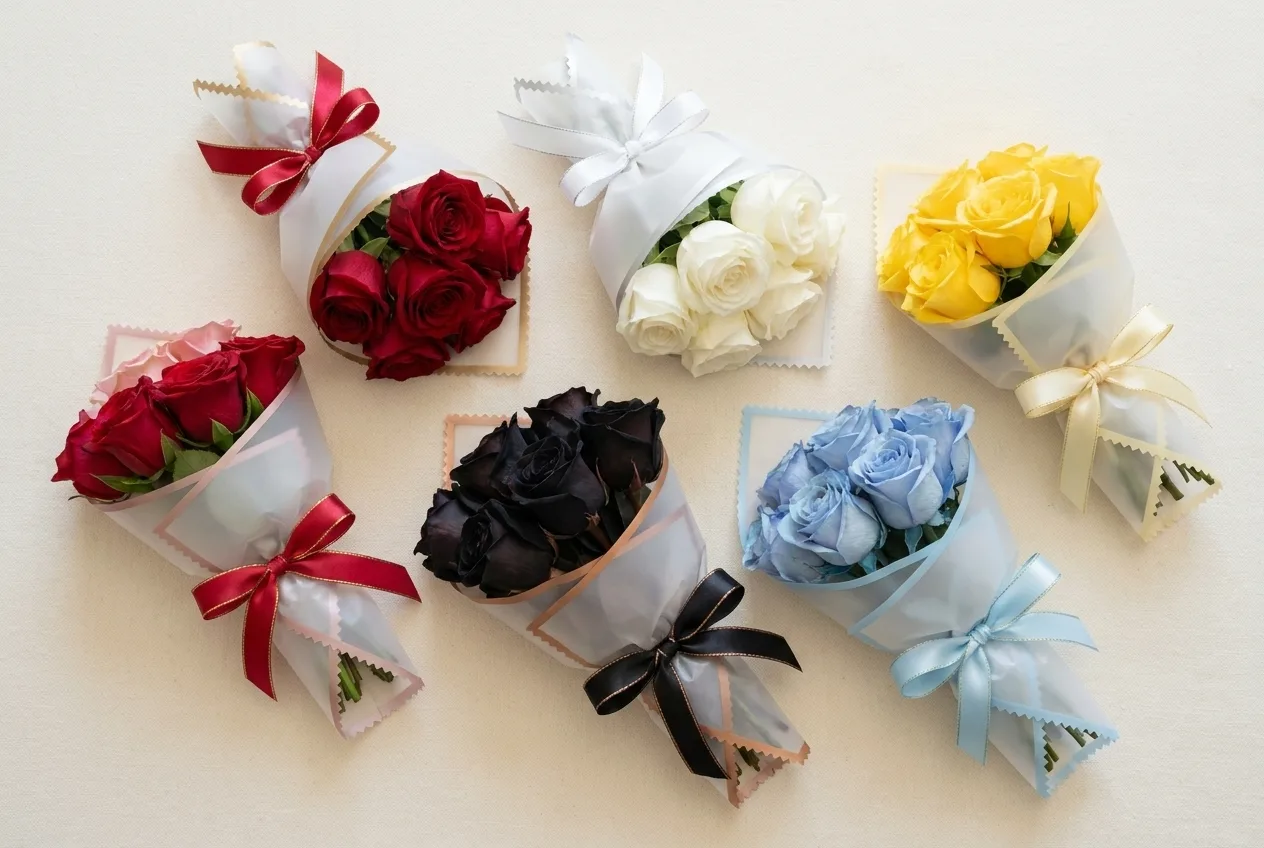
Rose colors carry familiar associations, but context matters more than a rigid rule. The recipient, occasion and message on the card should guide the palette you choose.
Red and burgundy: direct and romantic
Red roses are the clearest traditional expression of romantic love. Burgundy deepens the mood and can feel more dramatic, mature or editorial.
For anniversaries and proposals, an all-red arrangement is unmistakable. Mixing red with white softens the palette while keeping its emotional focus.
White and ivory: calm, respect and clarity
White roses can communicate sincerity, remembrance or a clean modern elegance. They work for sympathy, weddings, new beginnings and understated thank-you gestures.
Ivory warms the composition and pairs naturally with blush, green or burgundy when pure white feels too formal.
Pink and yellow: affection, gratitude and energy
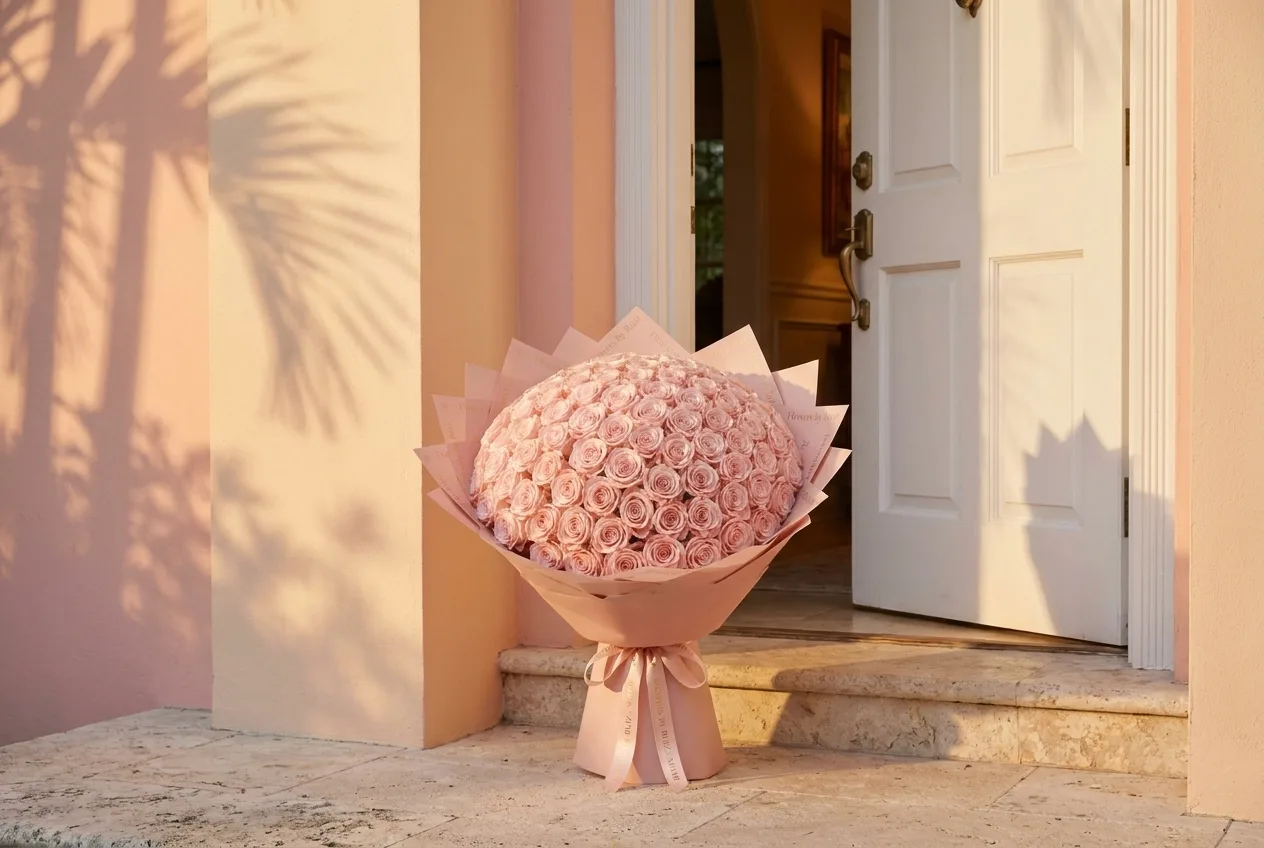
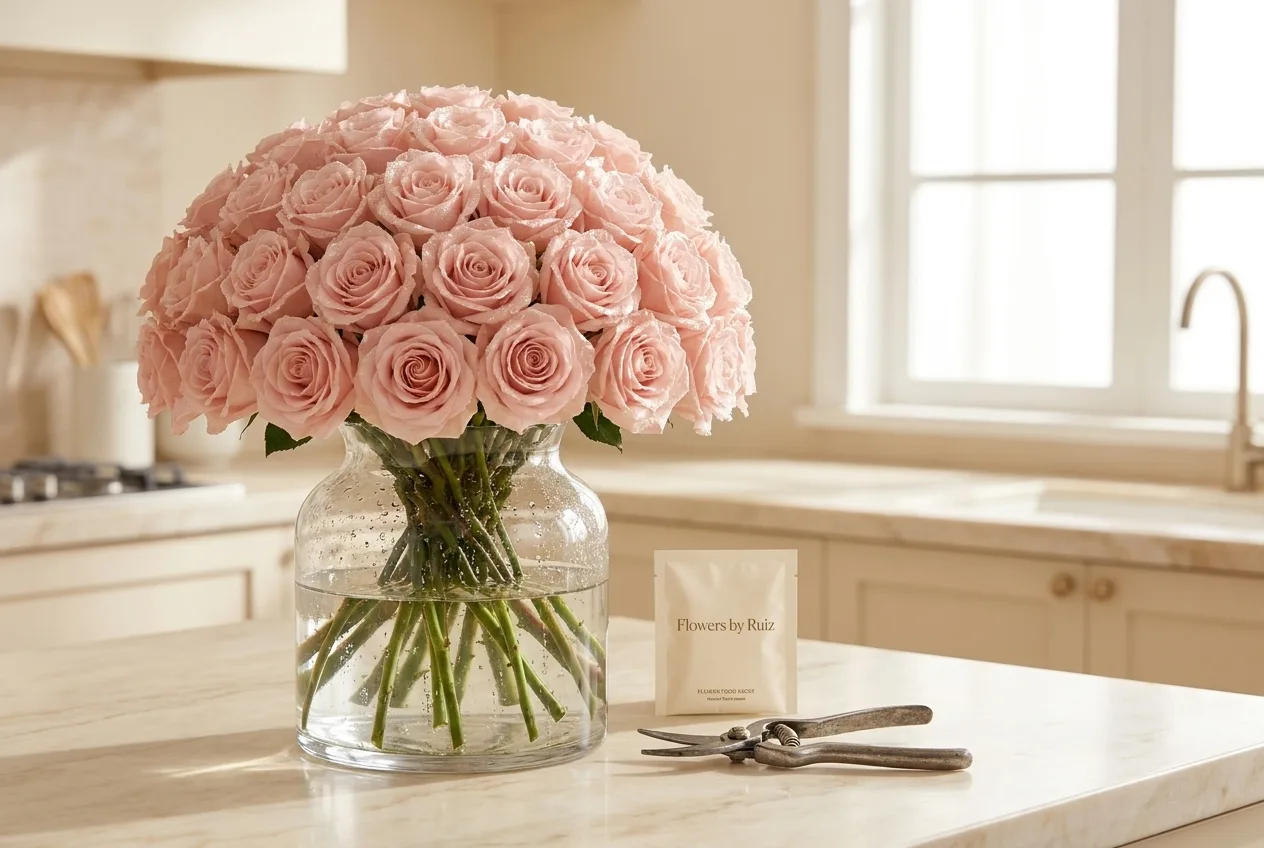
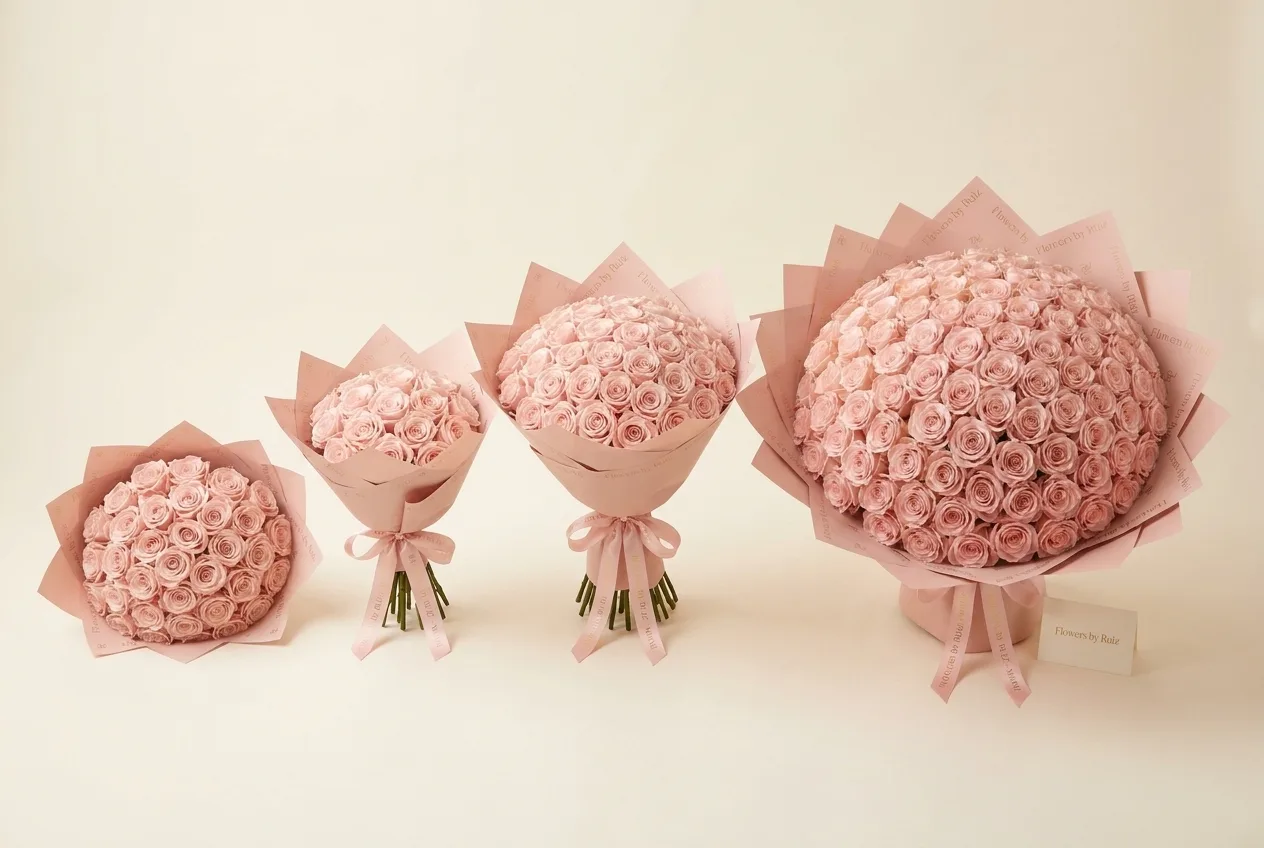
Pale pink feels tender and graceful; stronger pinks feel celebratory and confident. Both are useful when affection is important but overt romance is not the goal.
Yellow is commonly linked with friendship, optimism and warmth. Pairing yellow with orange creates a lively birthday or congratulations palette.
Blue, black and bicolor roses
Blue and black-looking roses are specialty color treatments rather than naturally occurring true-blue or black varieties. They make a strong visual statement and suit recipients who prefer unconventional design.
Bicolor bouquets are useful when one meaning is not enough: red and white can balance passion with sincerity, while pink and yellow combine affection with joy.
Choose the message first, then use color to reinforce it—not to replace the words on the card.Design a bouquet